Dating Profile Photo Red Flags: 8 Things Their Pictures Are Actually Telling You
These dating profile photo red flags go beyond bad lighting. Here's what gym selfies, group shots, and cropped exes are actually signaling about someone's intentions.

TLDR
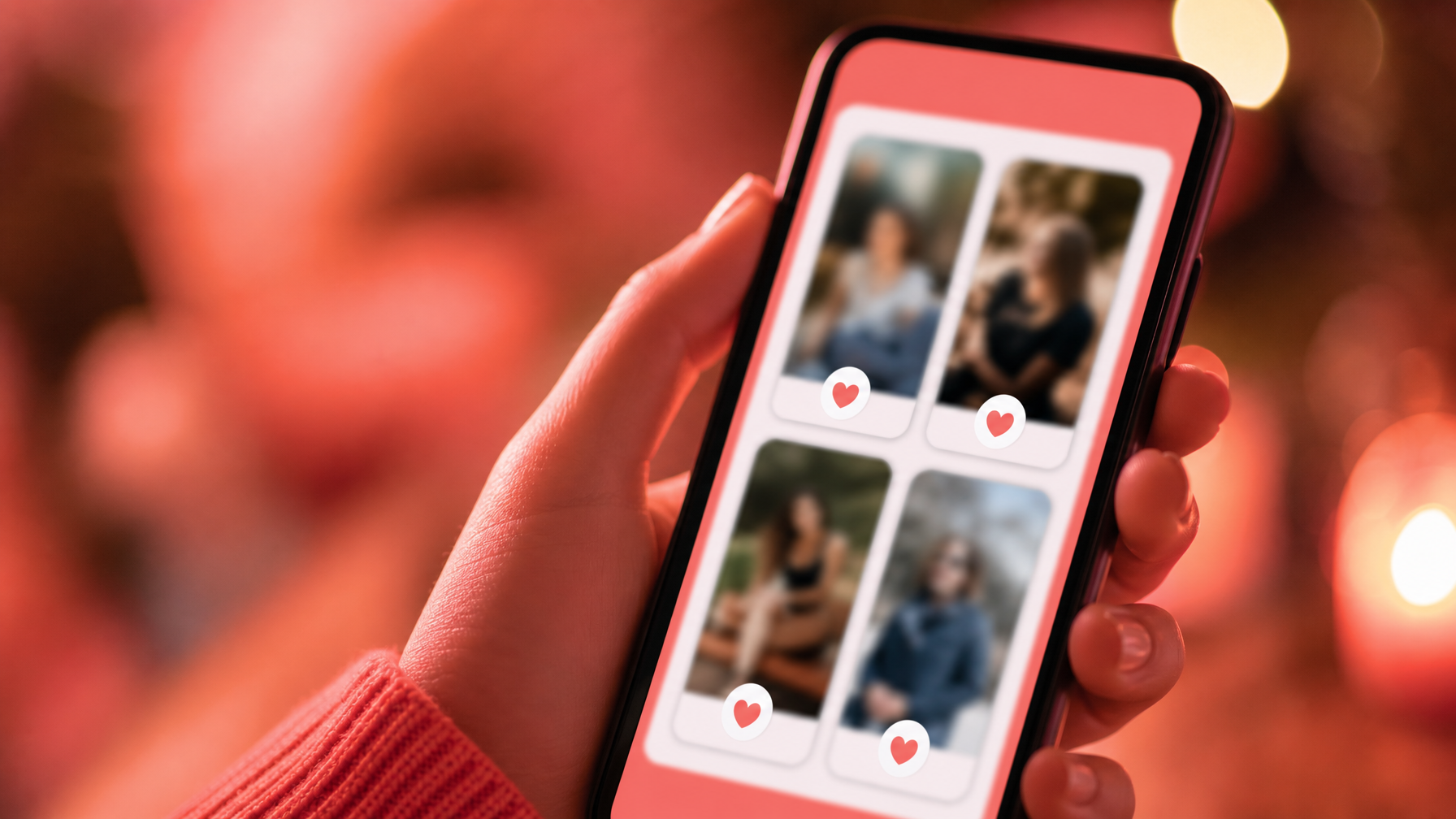
Photos aren't just about looks. A large majority of daters form their first impression based on photos alone, and the specific photos someone chooses reveal more about their priorities, self-awareness, and effort level than most people realize. Here's how to read them.
Table of Contents
- Why Dating Profile Photo Red Flags Tell You More Than You Think
- The Gym Selfie
- The Bathroom Mirror Shot
- The Group Photo Where You Can't Find Them
- The Extreme Close-Up
- The Cropped Arm (Hello, Ex)
- Every Photo Involves Alcohol
- All Photos Look Like They're From Five Years Ago
- Only One Photo
- The Verdict
Why Dating Profile Photo Red Flags Tell You More Than You Think
Before they read a single word of your bio, most people have already formed an opinion. The UK dating app Wisp surveyed 1,200 daters and found that 83% make immediate judgements based on profile photos alone, according to DatingNews.com. That's before the prompts, before the height disclosure, before the whole "I love hiking and brunch" section.
So photos aren't background detail. They're the whole first impression. And just like body language, the specific choices someone makes about which photos to post, how they're framed, and what's visible in the background carry real signals — whether the person posting them intends it or not.
Dr. Jess Snitko, who earned her PhD in Media, Technology, and Society from Purdue University and has researched signals in online dating profiles, points out that people communicate both intentionally and unintentionally through their photo choices. The guy who posts only gym content isn't just showing off his arms. He's communicating something about what he values. The person with three group photos and no solo shots is telling you something too.
Here's what the most common photo red flags are actually signaling.
1. The Gym Selfie
This one topped Wisp's list. DatingNews reported that 61% of women and 59% of men flagged gym selfies as a red flag, making it the single most universally disliked photo type across genders.
It's not that fitness is bad. It's that using a gym photo as your primary shot signals that physical appearance is the thing you most want to advertise. When that's the lead, serious daters understandably wonder whether there's much else going on.
One gym pic tucked in a carousel of otherwise real photos? Fine. A profile that's three-quarters gym content is telling you this person wants a very specific kind of attention.
2. The Bathroom Mirror Shot
Close cousin to the gym selfie, but somehow worse. The Wisp survey found that 42% of women flagged bathroom mirror selfies as a red flag, compared to 23% of men.
The problem isn't the selfie format. It's the context. A messy bathroom vanity, a grimy mirror, harsh overhead lighting, and a half-visible toilet lid in the background communicate carelessness more than any bio entry ever could. Specifically, 34% of men and 17% of women said a messy background and visible clutter put them off, per the same survey.
A reasonable interpretation: if someone can't put enough thought into their first impression to step outside for a photo, they might not bring much effort to early dates either.
3. The Group Photo Where You Can't Find Them
Group photos aren't automatically bad. One candid group shot can show that you have friends and an actual life, which is genuinely appealing. But 32% of men and 31% of women flagged group photos as a red flag in the Wisp survey. The reason is straightforward.
If every photo is a group shot, or the solo photo is buried at the end of six group shots, it reads as either insecure or just inconsiderate. One Wisp respondent put it plainly: "If I have to play guess who, I just move on."
The generous read is that they don't have good solo photos. The less generous read is that they know the group photos are more flattering and are using that strategically. Both are things worth knowing before you invest time in a conversation.
4. The Extreme Close-Up
A face that fills the entire frame with no context visible landed as a red flag for 45% of women and 37% of men in the Wisp survey.
Men described these as looking "too staged." Women used words like "unflattering" and "off-putting." Both reactions point to the same underlying concern: something is being hidden. Maybe it's body type. Maybe it's context. Maybe the person just doesn't know how to take a photo. Any of those is useful information about how much self-awareness they're bringing to this.
5. The Cropped Arm (Hello, Ex)
This one is underrated. About 20% of men and 22% of women said they're put off by photos that have clearly been cropped to remove someone, with a stray shoulder or hand still visible in frame.
It's not that including an older photo is automatically wrong. Sometimes you genuinely look great in a photo from a few years ago. But posting a crop with an obvious person-shaped gap, without replacing it with something newer, suggests one of two things: they're still emotionally attached to the image (and possibly the person in it), or they haven't made the effort to get new ones.
The research backs up that this pattern is common. In a study published in the Journal of Communication by Cornell University researchers Jeffrey Hancock and Catalina Toma, independent judges rated approximately one-third of online dating profile photos as inaccurate representations of the actual person. Photos being older than they appear was one of the most frequent inconsistencies. So the question is fair: how current is the version of this person you're looking at?
6. Every Photo Involves Alcohol
One photo at a bar? Completely normal. But when every single image in someone's carousel shows them at a party, holding a drink, or looking glassy-eyed at the camera, it's worth pausing.
This isn't a moral judgement. It's a pattern recognition question. Their photos represent what they're choosing to highlight about themselves. If the visual story they're telling is entirely built around drinking and nightlife, that's what they want you to know about them first. For someone who wants a serious relationship, that specific emphasis can signal misaligned priorities — or at minimum, a very different lifestyle.
7. All Photos Look Like They're From Five Years Ago
No specific cutoff date is a hard rule, but there's a version of this that crosses a line. In the Hancock and Toma Cornell study published in the Journal of Communication, female profiles were specifically more likely to use older or professionally retouched photos. Independent judges, unaware of the identity of the person pictured, rated these as notably less accurate than the person's current appearance.
A couple of slightly older photos mixed in with current ones is fine. A profile where hairstyles, fashion, and background details all clearly date from several years back is worth noting. At some point it stops being a flattering throwback and starts being a mismatch between who they are now and how they're presenting themselves.
8. Only One Photo
Single-photo profiles are their own red flag category. Bumble explicitly encourages users to add more photos because more photos improve match quality. Hinge built an AI-powered photo assessment tool specifically because profile depth affects how well matches convert.
One photo raises a simple question: why? The charitable explanation is that someone just joined and hasn't uploaded more yet. A profile that's been sitting with one photo plus an active bio plus real conversations suggests the person either doesn't want to be identified or doesn't think the profile is worth the effort. Neither is a promising sign for someone serious about dating.
Want to go deeper on reading red flags in profiles? Download the free guide The 5 Red Flags Most People Miss for a quick breakdown of what to look for before you match.
The Verdict: What Good Photos Actually Signal
Since this is all about decoding what photos communicate, it's worth naming what good photos look like. Not a professional shoot. Not a perfectly choreographed set. Just a lead photo with a clear face and natural light, at least one activity-based photo that shows something real about how they spend time, and a mix of close-up and wider context shots that give an accurate picture of who they actually are right now.
That's not a high bar. Which is exactly why falling significantly short of it says something.
Photos are only one layer of a profile. If you want to decode the rest — the prompts, the answer style, what someone is downplaying or overplaying — run it through ProfileFlags. The AI analyzes the full picture: red flags, green flags, compatibility signals, and suggested responses. It's $19.99 for unlimited scans, so you can use it on every profile you're genuinely considering.
For a more structured breakdown of what to watch for across written profiles, the Dating Profile Red Flag Checklist ($9.99) covers it systematically.
And for more on reading people beyond just the profile, check out Behavioral Red Flags in Dating: What Their Small Actions Are Actually Telling You and 10 Red Flags in Dating Profiles You Should Never Ignore.